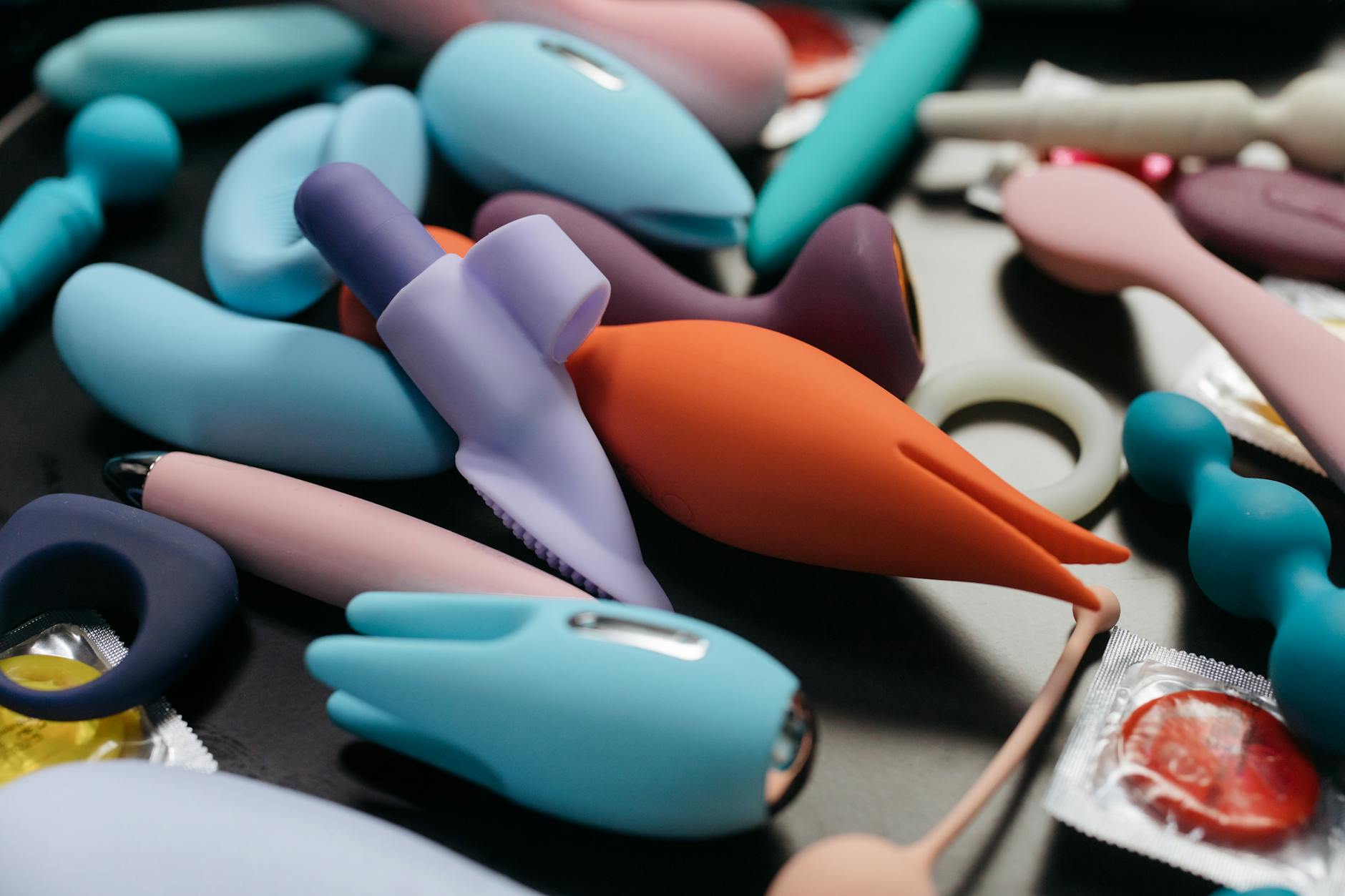
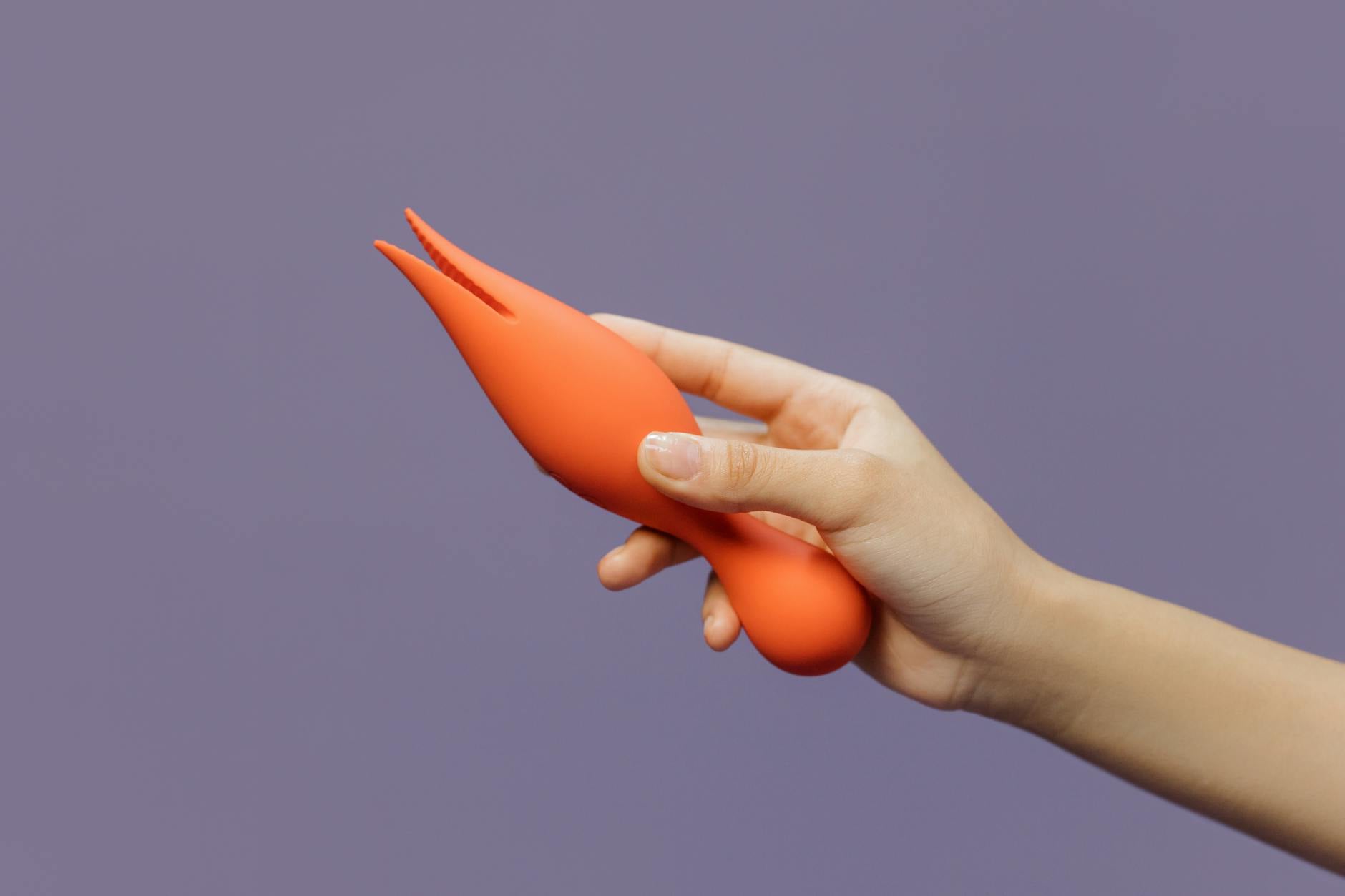
How Lemon Vibrators Compare to Wand Vibrators for Different Pleasure Styles
Two totally different technologies, two totally different sensations. Here's what actually matters when you're trying to figure out which clitoral vibrator is right for you.
Honestly, if you've been comparing lemon vibrators to wand vibrators and feeling confused about which one to pick, you're not alone. They're both clitoral vibrators. They both feel good. But they work in almost completely different ways, and that difference determines whether you'll actually use it or it'll end up in a drawer. Understanding how they differ isn't about being picky. It's about matching your body to the right tool.
A wand vibrator is a motor that oscillates side to side very quickly, usually 50 to 100+ times per second. That repetitive motion transfers directly to your tissue. The sensation is friction-based. The head is typically larger, broader, and designed to cover more surface area. Most wands deliver stimulation through a combination of rapid vibration and direct contact pressure.
The upside: they're reliable, predictable, and they work fast for a lot of people. The downside: that constant vibration can eventually feel fatiguing or overstimulating for sensitive tissue. Some people describe it as numbing after a while.
A lemon vibrator uses air-pulse technology. Instead of vibrating, it creates a gentle suction or pulse that draws the tissue slightly and releases it rhythmically. This is closer to what happens during oral sex. The sensation is indirect, gentler, and surprisingly intense for a lot of people.
The key: suction doesn't numb. Because you're not grinding against tissue with continuous vibration, the nerve endings stay responsive. Many people can go longer, feel more variety in sensation, and achieve orgasm without that faded, overstimulated feeling.
The Lem vibrator, for example, uses this suction-pulse approach rather than traditional vibration. People often report that it feels nothing like a wand, even though they're both marketed as vibrators.
Imagine the difference this way. A wand vibrator is like a jackhammer. Fast, relentless, gets the job done for a lot of people. A lemon vibrator is more like a mouth. It creates rhythm and pressure, but indirectly. You feel more variety, more control, and usually more staying power.
With a wand, you're chasing a specific kind of intensity. With a lemon vibrator like the Lem, you're exploring nuance. Neither is objectively better. But they're aiming at different parts of your nervous system.
Here's something most articles skip: sensitivity matters more than you think. When you're under 30 with robust estrogen and lots of tissue thickness, a wand vibrator might feel perfect. When your clitoral sensitivity changes after 40, or if you're managing any kind of nerve-related sensitivity, the gentleness of a lemon vibrator becomes a genuine advantage.
Why? Because suction doesn't require you to have a lot of cushioning. A wand, by contrast, is relying on tissue to absorb and translate that vibration. When tissue thins or becomes more sensitive, a wand can feel too intense or too much.
It's not just a pleasure preference. It's biomechanics.
One thing nobody talks about enough: how much direct pressure you can actually tolerate. Wands require you to hold them against your body, and that pressure accumulates. After 15 minutes, your hand gets tired or the pressure becomes uncomfortable.
Lemon vibrators use gentler suction, so you can apply less pressure overall. You're not fighting against vibration. You're working with a pulse.
For people with vulvodynia, pudendal neuralgia, or any kind of chronic pain condition, this difference is huge. That's why anyone dealing with nerve pain or sensitivity often finds a lemon vibrator changes everything. We have a whole guide on how to use a lemon vibrator when you have nerve pain, because the gentleness matters that much.
Wand vibrators are cheaper. A decent one costs $30 to $60. Lemon vibrators cost more, usually $65 to $99. That's a real difference if you're budget-conscious.
But here's the thing: a tool you use once because it doesn't feel right is more expensive than something you use regularly and love. If a wand gives you a numb feeling and you abandon it, you spent money on nothing. If a lemon vibrator feels so right that you use it regularly, the higher price tag pays for itself.
Start with your sensitivity. If you know your clit goes numb easily or you prefer gentler sensation, skip the wand and invest in a lemon vibrator. If you like direct pressure and you've never had issues with overstimulation, try a wand first.
Consider your age and how your body has changed. If you're over 40 and noticing that your usual vibrator feels weird or uncomfortable, clitoral sensitivity changes are real and a lemon vibrator is often the answer.
Think about your pleasure style. Do you like to ramp up slowly and explore different sensations, or do you like to get there fast? Wands are sprinters. Lemon vibrators are marathon runners.
If you're still unsure, trying a lemon clitoral vibrator first is a smart move, because if you like it, you like it. And if you find it's too subtle, upgrading to a wand is easy. Going the other direction, from wand numbness to suction, is usually the real relief.
If you're using a vibrator with a partner, the type actually matters to communication. Wands are easier to use during partnered sex because the broader head covers more area and you need less fine motor control. Lemon vibrators require a bit more precision about positioning, which means more talking with your partner about what feels good.
But that communication is often better. Because you're not just doing the same thing over and over, you're actually collaborating. That usually feels better anyway.
Yes, absolutely. In fact, a lot of people who find wands overstimulating discover that lemon vibrators solve the problem entirely. The sensation is different enough that even if a wand didn't work for you, a lemon suction toy might be exactly right.
Most people find them great, but not everyone. Some people genuinely prefer the direct vibration of a wand. The best approach is to think about what you like about sensation generally. Do you like gentle, indirect stimulation (think oral sex)? Lemon vibrator. Do you like intense, direct pressure? Wand.
Yes, usually much quieter. Suction-based toys make a soft whooshing sound. Wands buzz audibly. If noise is a factor in your life, a lemon vibrator is the winner.
That's smart. Many people use both for different moods. A lemon vibrator for longer, exploratory sessions and a wand for quickies. They're tools for different jobs.
It depends on the partner and the situation. Wands are easier to manage during sex. Lemon vibrators create a different shared experience because you're both watching suction happen, which is genuinely different from vibration. Neither is inherently better. Different feels better.
Yes, but it matters more with lemon vibrators. A water-based lube helps suction toys create better seal and sensation. With wands, lube is optional but can feel nice. Always use water-based lube with silicone toys.
Wand vibrators and lemon vibrators aren't competitors. They're different tools for different bodies and different moods. A wand is great if you like intensity and broad stimulation. A lemon vibrator is great if you prefer gentleness, control, and longer sessions without numbness.
If you've been using a wand and something felt off, it wasn't you. It was probably the tool. A lemon clitoral vibrator might be exactly what you've been missing. And if you're over 40 or dealing with any kind of sensitivity change, a suction-based toy is genuinely worth trying.
Your pleasure style matters. Pick the tool that matches it.
Want to explore what might work best for your body? Reach out. We're here to help you find what actually feels good.