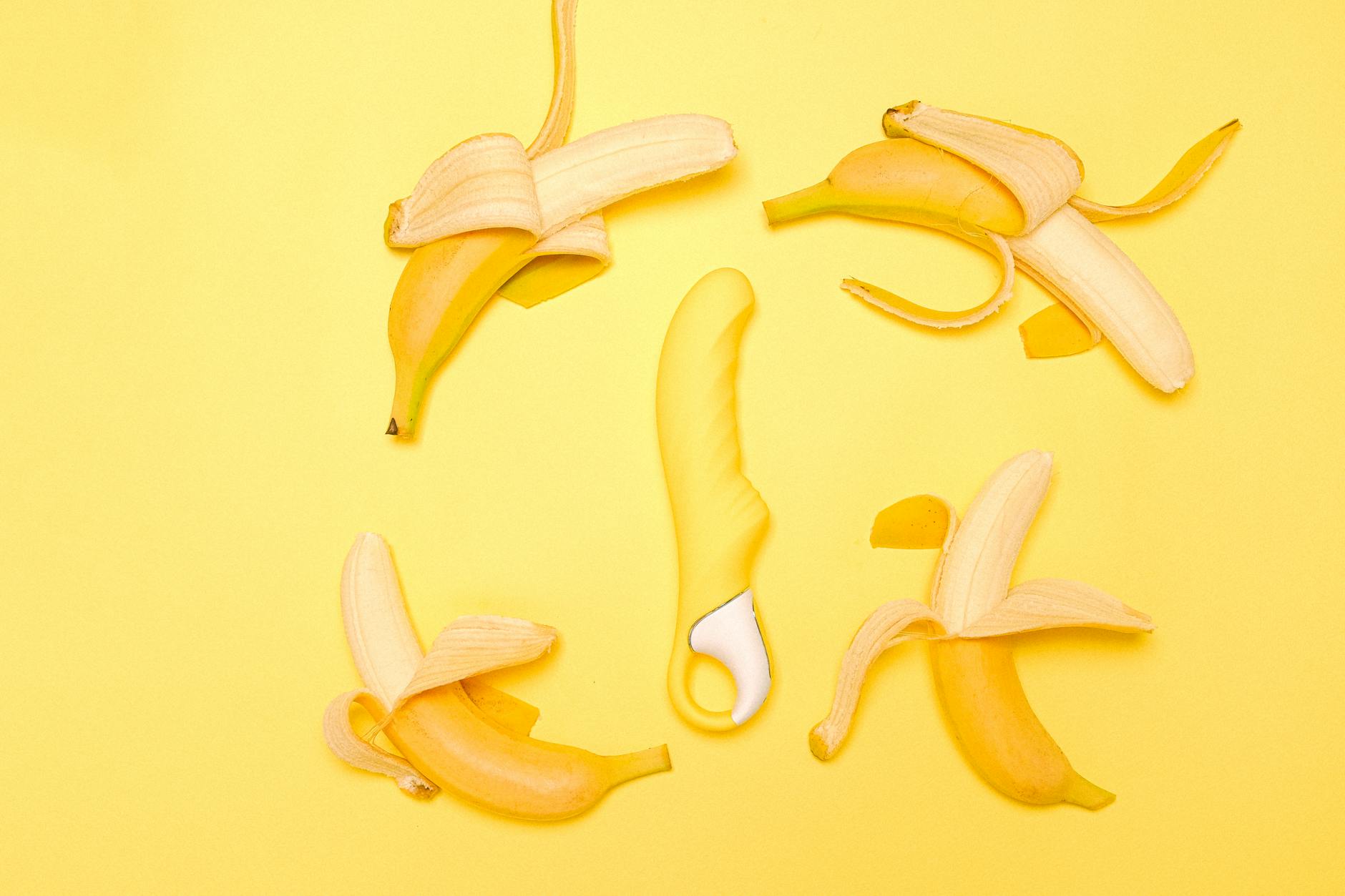
How Lemon Vibrators Improve Sensitivity After Numbing Medications
Topical numbing creams solve one problem but create another. Here's how a lemon clitoral vibrator can help you rebuild full sensation without the desensitization trap.
Here's the thing about topical numbing products. They work brilliantly for what they're designed to do. Pain stops. Sensation mutes. For people dealing with vulvodynia, dermatological procedures, or chronic pelvic pain, they're genuinely useful interventions. But then something unexpected happens. The numbness lingers even after you stop using them. Pleasure feels distant. Orgasms feel muted or take forever. And suddenly the solution starts feeling like the problem.
This isn't a personal failure. It's neurobiology. Your nerves adapted to repeated numbing, and rebuilding sensitivity takes intention and the right tools.
Topical anesthetics like lidocaine or benzocaine work by blocking nerve signals temporarily. That's the point. But here's what most people don't know: after repeated use, your nervous system can stay in a dampened state even after you've stopped applying the cream. Your brain learns that the area is "not safe to feel," and it takes real work to rewrite that message.
The clitoris is densely innervated. It has roughly 8,000 nerve endings packed into a small area. When you regularly numb it, those nerves essentially go quiet. They don't disappear. But they need active, gentle stimulation to wake back up and start sending pleasure signals again instead of protective ones.
This is where most people get stuck. They stop using the numbing cream, expect sensation to return immediately, and when it doesn't, they assume something is broken. Nothing is broken. Your nervous system is just being cautious.
A lemon clitoral vibrator uses suction and pulsing stimulation rather than direct vibration. This matters hugely for sensitivity recovery. Here's why.
Direct vibration can feel overwhelming to tissue that's been numbed and is now hypersensitive to touch. It's too much intensity too fast. Suction, by contrast, stimulates nerves through indirect pressure and gentle rhythmic pulses. It feels more like a massage than a buzzing sensation. For someone rebuilding sensitivity, that's the difference between retraining a nerve and shocking it.
The other thing lemon vibrators do is create variation. Different patterns, different intensities, different rhythms. Your nervous system learns through novelty. When you use the same numbing cream in the same way repeatedly, your nerves tune it out. But when you introduce varied, gentle suction stimulation through a lemon clitoral vibrator, your nervous system has to engage with something new.
This is why <a href="/blog/lemon-vibrator-suction-first-time-nervous-about-intensity">many people find suction vibrators easier to use when they're nervous about intensity</a>. The sensation feels gentler even at higher settings.
Realistic expectations matter here. Sensitivity doesn't snap back like a light switch.
If you've used topical numbing products regularly for a month or longer, budget 2 to 4 weeks of gentle stimulation before you notice real improvement. If you've used them for several months, think 4 to 8 weeks. Your nervous system is learning to feel safe again, and that's a gradual process.
Week one usually feels the same. Sensation is still muted. Don't panic and don't increase intensity trying to feel something. That's the trap. Pushing harder just triggers more protective dampening.
Week two. You might notice the first flicker of sensation returning. It often shows up as mild tingling or warmth rather than sharp pleasure. That's exactly what you want. Your nerves are waking up.
Week three to four. Sensation becomes more consistent. Orgasms might feel closer and more textured. Patterns that felt like nothing now feel like something.
Four things I recommend to clients working through sensitivity recovery.
Start with pattern one and stay there. Don't chase sensation by cranking up intensity. The lowest pattern on a lemon vibrator is often where the magic happens during recovery. Your nervous system needs gentle, consistent input. Resist the urge to experiment with higher settings for at least the first week.
Sessions should be short. Fifteen to twenty minutes is plenty. More is not better. Your nervous system is learning, and like any learning, it needs breaks to integrate the information. Short, consistent sessions beat long, aggressive ones.
Use the same time of day. Routine helps your nervous system feel safe. If you use your lemon vibrator the same time most days, your body learns to expect the sensation and responds more openly. This is basic nervous system biology, not superstition.
Add lubrication even if sensation feels muted. Water-based lube reduces friction and makes the experience less jarring. It also sends a signal to your nervous system that you're taking this seriously and honoring your body. That matters more than it sounds.
If you're two weeks in and feeling absolutely nothing, that's actually okay. Some people's nervous systems take longer to reboot. But it's worth a quick conversation with a pelvic floor physical therapist or gynecologist who specializes in nerve health. They can rule out things like neuropathy or nerve damage, which is rare but possible with certain numbing products used over very long periods.
Also check whether you're still in contact with whatever triggered the original pain. If vulvodynia or dermatological irritation is still present, your nervous system has good reason to stay protected. You might need to address the underlying issue first.
If you have a partner, the sensitivity rebuild is worth naming directly. Not in a clinical way, but honestly. "I used numbing cream for a while, and now my body needs time to wake back up. I'm rebuilding sensation with my lemon vibrator. It's going to feel different for a bit." Your partner doesn't need to understand the neurobiology. They do need to understand that you're intentionally working on this and it's temporary.
Many partners interpret muted pleasure as lack of interest in them. It's not. But if they don't know what's happening, they fill that gap with their own story. Clear communication prevents weeks of unnecessary friction.
Here's what I see most often. People use numbing creams because pain was real and valid. Then they stop, but they feel guilty for having needed it in the first place. They carry shame into the recovery process. That shame slows everything down because your nervous system is busy managing emotion instead of rebuilding sensation.
You don't owe anyone an apology for using tools that helped you. Your pleasure matters. Your pain mattered too. Both things are true. A lemon clitoral vibrator isn't a fix for guilt. It's a tool for rebuilding sensation. The emotional piece you handle separately, ideally with a therapist if the shame is strong. But know that sensitivity recovery is faster when you're not fighting yourself the whole time.
Typically two to eight weeks depending on how long you used the numbing product. Regular, gentle stimulation with a lemon vibrator speeds this up. Pushing for intensity slows it down. Your nervous system learns through consistent, low-pressure input, not through forceful stimulation.
A lemon vibrator works better for most people because suction feels gentler than direct vibration, and gentleness is crucial during recovery. But technically any stimulation that feels pleasurable without overwhelming will help. The key is that it doesn't trigger your protective nervous system response. For many people with dulled sensation, that's suction. For others it might be a very low-intensity wand. Experiment gently and notice what feels opening rather than numbing.
Full sensation usually does return, but timeline varies wildly between people. If you're three months in with no change, see a pelvic floor specialist or gynecologist. They can assess whether there's underlying neuropathy, whether the numbing product caused lasting nerve damage (rare), or whether something else is at play. Most of the time, sensitivity comes back. Sometimes it just needs professional guidance to get there.
No. The whole point is to let your nervous system learn that the area is safe to feel. Numbing and stimulating at the same time sends a confused signal. Choose one or the other. If you're still in significant pain, stick with the numbing cream until that resolves, then transition to sensitivity rebuilding.
Completely normal. Your clitoris might have regions that wake up faster than others. You might feel sensation returning at the edges first or in a specific area. That's your nervous system finding its way back. It's not a sign something is wrong. Keep using your lemon vibrator consistently and it tends to even out over a few weeks.
If you're working with a pelvic floor specialist or gynecologist on sensitivity issues, mentioning it is helpful context. It shows you're actively engaged in recovery and gives them a sense of what might be working or not. Most medical professionals who specialize in pelvic health are totally unfazed by this conversation. They recommend toys regularly.
Sensitivity recovery isn't just about sensation. It's about your nervous system learning that pleasure is safe again. That you deserve to feel good. That your body is trustworthy even after a period of protection and numbing. A lemon clitoral vibrator is a tool for that conversation. But the real work is giving yourself permission to rebuild slowly and without judgment.
If you're ready to support your sensitivity recovery, consistent, gentle stimulation with a lemon vibrator is one of the most effective approaches available. Start low, stay consistent, and trust the process. Your nervous system knows how to learn. It just needs time and the right invitation.