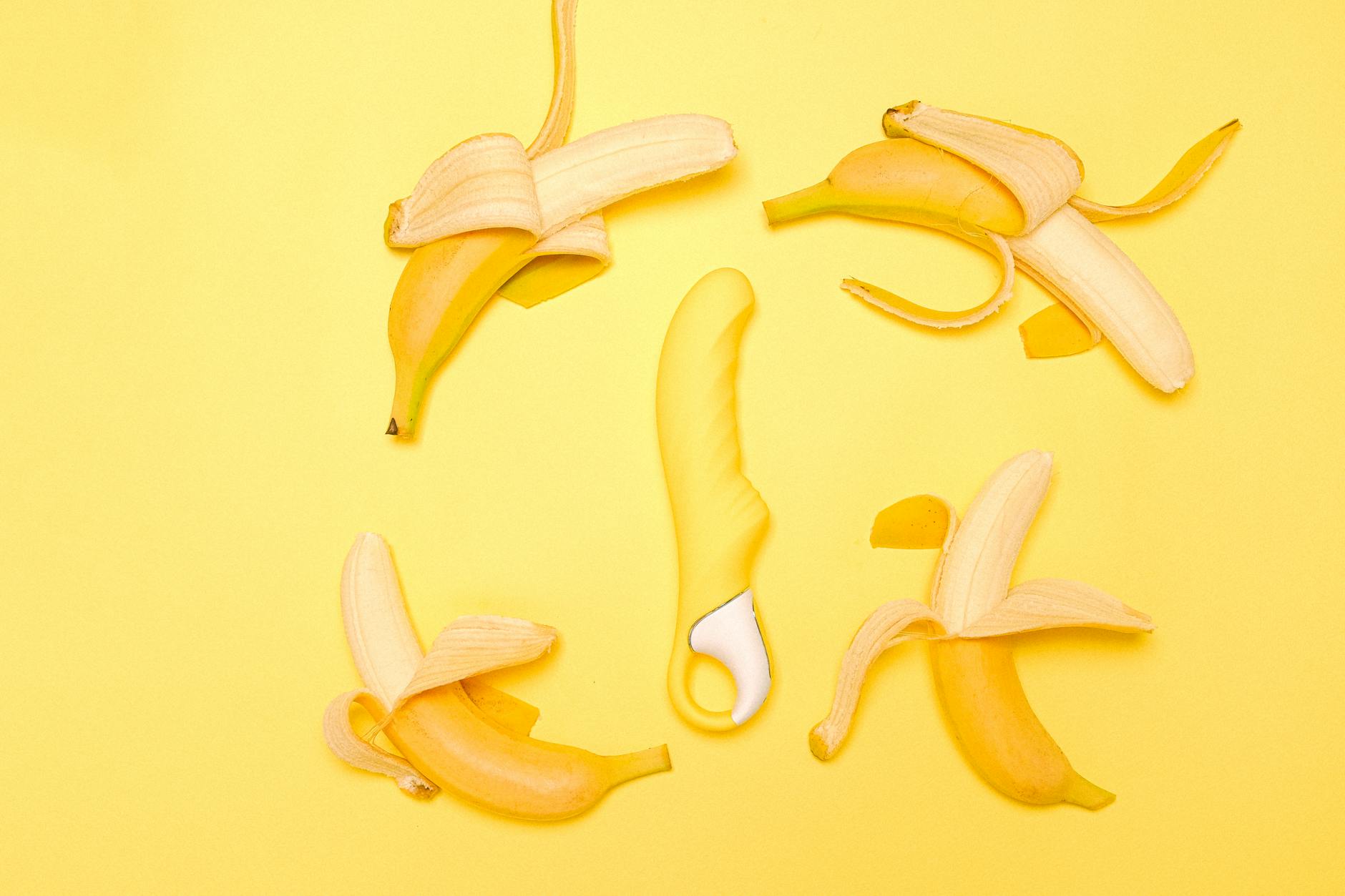
Your clitoris doesn't stop responding after midlife. It just responds differently. Here's how to adjust your technique and why suction works better now.
Your clitoris doesn't disappear after 40. It just responds differently. Tissue thinning from dropping estrogen, less direct nerve sensitivity, and a longer arousal ramp are all real. But here's what nobody tells you: those changes can actually make pleasure feel more subtle, more sustained, and sometimes more intense when you know what you're working with.
I've worked with hundreds of women navigating this shift, and the pattern is always the same. They either think something is broken, or they assume pleasure just gets dimmer. Neither is true. You're not broken. You're just working with different hardware, and that hardware often responds better to a different approach.
Estrogen keeps tissue plump and well-supplied with blood. As it drops, the clitoral hood thins slightly, and the exposed glans becomes less sensitive to direct pressure. This is biology, not failure. The nerve endings are still there. They're just firing differently.
Here's the plot twist: lower direct sensitivity doesn't mean lower pleasure capacity. It means sustained pleasure. Think of it like the difference between a bright spotlight and good ambient lighting. The spotlight is intense but tiring. Ambient light lets you see everything for hours.
This is exactly why air-suction lemon vibrators work so well for people over 40. Suction stimulates the deeper nerve clusters around the clitoris, not just the surface. It's gentler on thinning tissue, doesn't require you to find the exact pressure sweet spot, and creates a rhythm that builds rather than peaks immediately.
If you've been using a lemon vibrator the same way for years, you might need to recalibrate. Here are the adjustments that make the biggest difference.
Start with lower intensity, build slower. If you've been jumping straight to pattern 5 or 6, dial back to 1 or 2. Your tissue is more responsive to gentler pressure now. Spending 20 minutes at a lower intensity often produces a stronger, longer-lasting sensation than 5 minutes at maximum.
Angle matters more now. After 40, the angle of approach becomes crucial. Instead of direct perpendicular pressure, experiment with angling the lemon vibrator slightly. Some people find that positioning it so the suction pulls slightly upward toward the pubic bone creates a deeper, more sustained sensation.
Warm-up is non-negotiable. Arousal takes longer to build after 40. Budget 15-25 minutes of foreplay or solo stimulation before bringing in the toy. Your clitoris needs time to become fully engorged. This isn't a limitation. This is an opportunity to slow down and actually enjoy the buildup.
Lubrication changes the game. Even if you never needed it before, a quality water-based lube becomes your secret weapon. It reduces friction on thinning tissue and helps the suction seal better. You're not "fixing" anything. You're optimizing your experience.
After 40, your pleasure geography shifts. The areas that drove you wild at 25 might feel different now, and new zones light up. This is worth exploring.
Many women find that the area just inside the inner labia becomes more sensitive. The outer clitoral hood, which you might have ignored before, often develops new responsiveness. Some discover that indirect stimulation near the clitoris (rather than direct contact) feels better now.
With a lemon vibrator specifically, try hovering rather than direct contact. Position it so the suction pulls gently on the surrounding tissue, not directly on the clitoral glans. This indirect approach often feels more pleasurable and sustainable for midlife bodies.
Arousal doesn't disappear. It shifts. After 40, you might notice that fantasy or touch takes longer to register as arousal. Your body might need 20 minutes of stimulation before your clitoris becomes fully engorged, whereas it might have taken 5 minutes at 30.
This isn't a bug. It's a feature. Slower arousal means you have more time to build intensity, explore different rhythms, and actually tune in to what feels good instead of chasing a predetermined finish line.
One study found that women over 40 who used clitoral vibrators reported longer, more satisfying sessions when they stopped trying to rush arousal and instead matched the toy's rhythm to their body's actual response time. They spent more time in the buildup phase, and reported that orgasms felt more full-body and less concentrated.
If you have a partner, the biggest shift isn't physical. It's conversational. After 40, many women find they want different things than they did in their 30s. You might want more foreplay, different angles, or completely different types of stimulation.
Honestly though, that conversation is worth having. Tell your partner what you've noticed. "My body responds differently now" isn't a problem statement. It's an invitation. Many couples report that learning to use a lemon vibrator together after 40 actually deepens intimacy because it forces a real conversation about desire.
If you're using a lemon vibrator with a partner, communication about intensity is crucial. What felt perfect at 35 might be too intense now. Ask for feedback. Adjust in real time. The best partners are the ones who treat this like calibration, not criticism.
Some changes after 40 are normal. Some warrant a conversation with a gynecologist. If you experience pain during use (not just pressure, but actual pain), or if sensation has vanished entirely despite trying different approaches, get it checked out. Atrophic vaginitis and genitourinary syndrome of menopause are treatable conditions.
Hormone therapy, topical estrogen creams, and testosterone therapy are all options. A menopause-informed doctor can help you figure out what's actually happening and whether medical support makes sense for you.
Here's what I see most often: women over 40 assume their changing sexual response means something about them has diminished. That's the real problem, not the biology.
Your pleasure doesn't expire at 40. It transforms. And transformation requires permission. Permission to explore differently, to slow down, to admit that what worked before might not work now, and to be curious about what does.
Many women report that their most satisfying sexual experiences happen in their 40s and 50s. Not because their bodies are younger. Because they finally stopped performing and started enjoying.
Yes, but "different" doesn't mean "worse." The suction mechanism in a lemon vibrator actually becomes more effective after 40 because it targets deeper nerve clusters rather than relying on direct surface sensitivity. Most women over 40 find that lower intensity settings feel more pleasurable than they did at 30, and sessions tend to be longer and more sustainable.
There's no single timeline, but 15-25 minutes is typical. Some women take longer, some less. The key is not rushing it. Your clitoris needs time to become fully engorged, and that physiological response is slower after hormonal changes. Building a longer warm-up into your routine isn't a sign of dysfunction. It's working with your body's actual rhythm.
You technically can, but you probably won't want to. The tissue changes during and after menopause make some techniques uncomfortable and others more effective. Lower intensity, longer warm-up, better angling, and sometimes adding lubrication are common adjustments. Think of it as upgrading your technique, not losing your ability.
Yes and no. The tissue changes are real and not typically reversible without hormone therapy. But sensitivity doesn't vanish. It redistributes. You might find that areas that weren't sensitive before light up, and that indirect stimulation feels more powerful than direct pressure ever did. Plus, hormone therapy is an option if you want to explore it.
Because it biologically is, and that's completely normal. After 40, arousal ramps up more gradually. This isn't your fault or their fault. It's just how bodies work when estrogen levels shift. The fix is communicating about this openly and adjusting your routine together. Longer foreplay, more consistent stimulation, and patience make a huge difference.
Almost certainly yes. Even if your body still produces natural lubrication, adding a water-based lube reduces friction on thinning tissue and helps a lemon vibrator's suction seal work better. You're not "broken" if you need it. You're just optimizing your experience. Think of it like upgrading your technique, not admitting defeat.
After 40, your body wants different things. That's not a loss. That's information. The women I work with who navigate this shift most successfully are the ones who treat it like curiosity instead of diagnosis. They try different angles, different intensities, different approaches. They talk to their partners about what's changing. And most importantly, they refuse to believe that pleasure is something that happens to younger bodies.
You deserve pleasure that matches your body as it is now, not as it was 15 years ago. A lemon vibrator is just a tool. The real power is in paying attention to what actually feels good and giving yourself permission to want something different.
Ready to explore what works for your body now? Start with lower intensity, more warm-up, and genuine curiosity. Everything else follows from there.