How to Use a Lemon Vibrator When Your Partner Has Low Libido
When desire gaps widen, introducing a lemon vibrator isn't about fixing anyone. It's about rebuilding intimacy on new terms, with tools that take pressure off both of you.
One partner wants sex twice a week. The other wants it twice a month. Or maybe one person is barely interested at all. The gap exists in probably half of long-term relationships, and almost nobody talks about it honestly until resentment has already moved in.
When libido mismatches show up, the usual advice is either "communicate more" (true but vague) or "just accept it" (deflating). A third option, quieter but powerful: introduce tools that reframe pleasure as something separate from obligation. A lemon clitoral vibrator can do that. Not as a band-aid. As a conversation starter.
Here's what's happening under the surface when libido drops: someone's nervous system has gotten used to shutdown. Maybe it's stress, maybe it's resentment about unequal household labor, maybe hormones are involved. Regardless, the pathway from zero to arousal has gotten longer and steeper. Traditional sex often feels like work to the lower-desire partner, which makes the higher-desire partner feel rejected, which makes the lower-desire partner feel guilty, which makes everyone want it less.
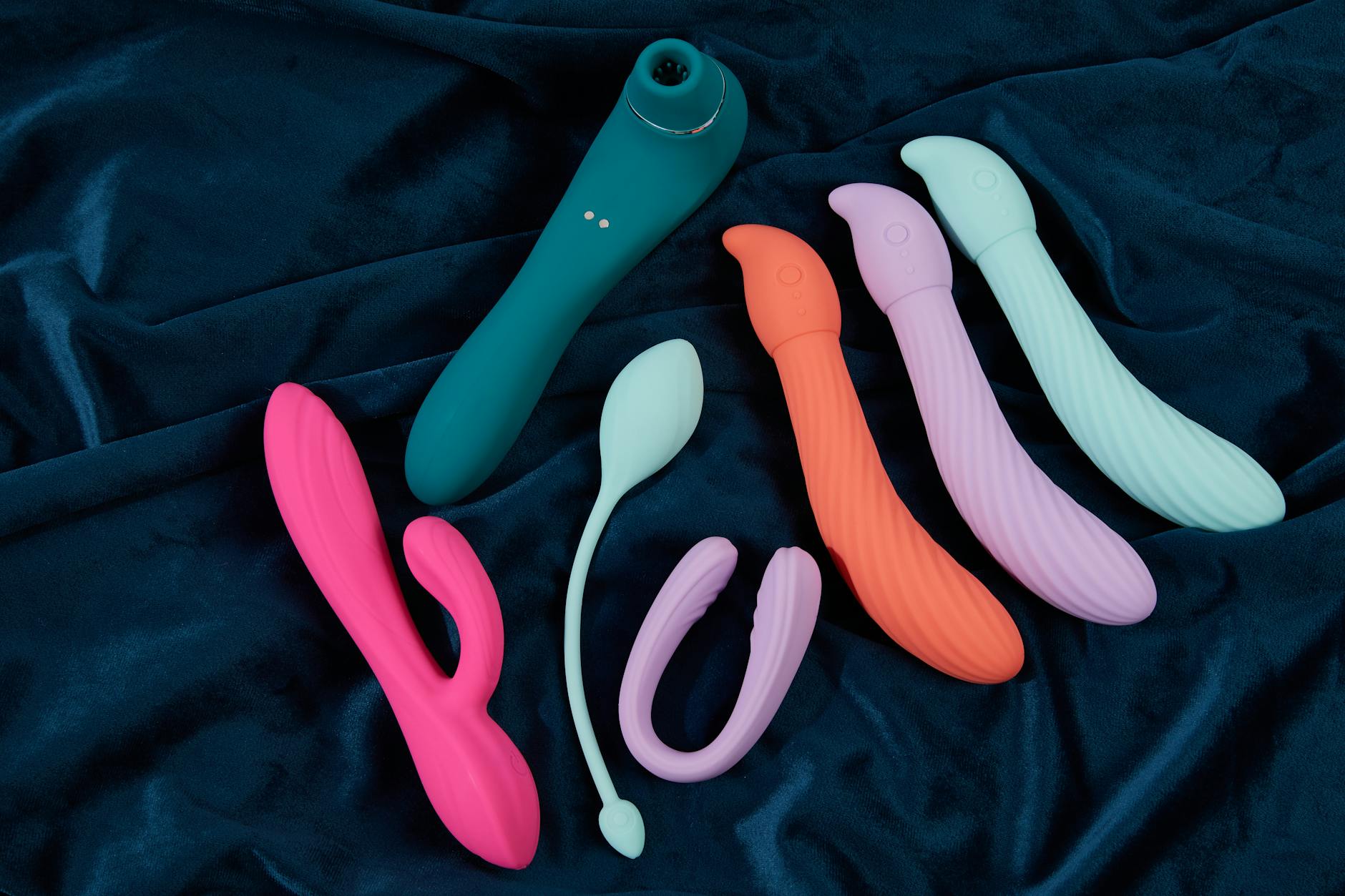
A lemon vibrator, specifically, interrupts that cycle because it works differently than other toys. The suction-based stimulation on a lemon vibrator (or lem vibrator, as it's often called) builds sensation gradually. It doesn't feel invasive. It doesn't require the same level of arousal to be pleasurable. And crucially, it can be something you both experience without it being "having sex."
The lower-desire partner often feels less pressure. The higher-desire partner gets to be intimate in a new way. Both of you get access to pleasure that doesn't come with the weight of expectation.
Timing matters. Not during a fight about sex. Not when someone's already stressed. A good moment is neutral ground: over tea, or in the car on the way somewhere, or even a text message if that feels more natural.
The frame is important. You're not saying "we need to fix our sex life." You're saying something like: "I've been reading about toys that work differently than what we've tried. I'm curious to explore something together that doesn't feel like pressure on either of us."
Notice what's missing from that sentence: blame, urgency, or the implication that someone's wrong. You're offering a tool, not a diagnosis.
If your partner resists, don't push. Ask what the hesitation is. Is it anxiety about performance? Shame about libido? Worry that using a toy means they're not enough? These are all real, and they all need to be named before a lemon vibrator will help.
This is the part that actually matters. Once you've introduced the idea, have a real conversation about what low libido means to each of you.
To the lower-desire partner: "What would make you want to feel closer to me more often?" Listen without fixing. Resentment about unresolved conflicts, burnout from childcare, lack of non-sexual affection, feeling unseen. Any of these could be the real barrier, not the body.
To the higher-desire partner: "What do you need from me about this? Am I interpreting rejection as personal rejection?" Often the answer is yes, which is fair, but which also means the lower-desire partner carrying guilt on top of already-low desire, which makes everything worse.
Then, together: "What would pleasure look like if it didn't have to be sex?" This is where a tool like a lemon vibrator becomes genuinely useful. It's intimate. It's playful. It doesn't trigger the same performance pressure. It gives you both access to sensation and closeness without the emotional weight.
You might spend a few nights exploring it alone first, with no audience. The partner with lower desire especially benefits from this. You get to understand how it feels, what patterns work, that you're not "broken" because you like it. The higher-desire partner gets to see their partner enjoying themselves without it being about them.
When you do come together, the goal is zero pressure. You're not trying to have sex. You're not trying to prove anything. You're taking 20 minutes, you're both relaxed, maybe you're both exploring with it, maybe one person is while the other is nearby.
Start with the lowest settings. Lemon vibrators have multiple patterns, and the suction sensation is gentler than you might expect. Many people who thought they had low sensation actually just needed the right kind of stimulation.
Introducing a lemon clitoral vibrator is not a solution to desire mismatches. It's a tool that can help rebuild intimacy while you address the actual reasons libido dropped. Those reasons often have nothing to do with the body.
Keep checking in. "Is this feeling good?" "Are you feeling less pressure?" "What would help you feel more interested in closeness in general?" Some people need more non-sexual affection first. Some need to feel less resentment about division of labor. Some need their partner to initiate less so they feel more in control.
The lower-desire partner also needs to show up. If your libido has dropped and your partner is making genuine effort, bringing awareness to that matters. "I notice I'm more interested when we do X" or "I think I need more help with Y before I have energy for intimacy." These are partnership conversations, not solo grievances.
If the gap is coming from hormonal shifts, low testosterone, medication side effects, or past trauma, a healthcare provider is the right first stop. How Lemon Vibrators Affect Pleasure After Antidepressants and SSRIs covers some of those dynamics, but professional guidance matters.
If the gap is coming from relationship rupture. resentment, or mismatched values around sex and intimacy, a couples therapist trained in sex-positive work is invaluable. They can help you both untangle what's real versus what's just been pushed down for so long it feels permanent.
A lemon vibrator can open a door. But it's the conversations that do the actual work.
Don't expect libido to suddenly match. What you're aiming for is a slower shift in how you both relate to pleasure and connection.
Many couples find that introducing a tool like this actually lowers the temperature in the bedroom emotionally. There's less desperation. Less performance anxiety. More play. And from that calmer place, desire often naturally increases, not because someone's forcing it, but because the shame and pressure have lifted.
Your partner might go from "I don't want sex" to "I want closeness, and sex sometimes, but I like it when it's playful." That's a win. That's the actual goal.
They're most useful when the libido gap is driven by stress, burnout, or low sensation rather than by relational trauma or fundamental incompatibility. If your partner has zero interest in any intimacy with you, a toy won't fix that. That's a deeper conversation.
But if they're interested in principle, just stuck in shutdown mode? A lemon sucker or other clitoral vibrator can genuinely help rewire the pathway from rest to arousal. It's low-pressure. It's playful. It separates pleasure from performance.
You can explore different settings together and notice what builds desire without forcing it. The suction-based design of a lemon vibrator means gentler stimulation often works better than intensity. That matters when someone's nervous system is already in sympathetic overdrive.
Libido gaps often feel personal. They feel like rejection. But they're usually just two nervous systems on different timelines, shaped by different stress, different history, different bodies. A lemon clitoral vibrator won't fix a broken thing because nothing's broken. You're just rediscovering pleasure on terms that work for both of you. That's something worth the conversation.
It's almost always not about you personally. Low libido usually tracks back to stress, hormonal changes, medication, unresolved resentment, or past trauma. That said, it can also be connected to how safe or seen your partner feels in the relationship. The question isn't "Is it me?" but "What's making their nervous system reluctant?" Sometimes that answer is relationship-related. Most times it's not. A couples therapist can help you untangle it.
It can genuinely help, but only if you're doing the other work too. A lemon clitoral vibrator lowers pressure and makes pleasure accessible again, which matters. But if the root cause is deep resentment or relational rupture, a toy is just a patch. You need conversations and possibly therapy alongside it. Think of the vibrator as a bridge, not a destination.
That reaction usually means something important is underneath. Maybe they feel inadequate. Maybe they think a toy means you'll want them less. Maybe they have shame around sexuality in general. Address the feeling, not the resistance. "I'm noticing you seem hesitant. What's coming up for you?" Listen without defending. Often once the fear is named, the resistance softens.
Completely normal. Desire differences exist in most couples. The question isn't whether it's normal, but how you both manage it without resentment. Some couples use toys to bridge the gap. Some agree to different frequencies and stick to it. Some find that addressing other issues (stress, workload, emotional closeness) naturally narrows the gap. There's no one right answer.
The framing is: this is about us, not about you being broken. Something like, "I've been thinking about ways we could both feel closer and have more fun together. I found this tool that might help." Notice you're not saying they're failing at sex. You're saying you want more connection. That's different.
It depends on the cause. If desire is low because of stress or shutdown, the gentle stimulation and playfulness of a lemon vibrator can help reactivate interest. If it's low because of deeper relational issues or hormonal changes, you need to address those too. A vibrator is one piece, not the whole solution. But many couples do report that once pressure drops and play returns, desire naturally increases.