Your nervous system doesn't distinguish between a work deadline and a physical threat. When you're under chronic stress, your body floods with cortisol and adrenaline, and your parasympathetic nervous system (the one that says "it's safe to feel pleasure") gets quietly unplugged. Arousal literally cannot happen in a threat state. It's not a choice or a lack of interest. Your brain is protecting you.
The problem is that this protection persists long after the stressor does. You finish the project. The deadline passes. Your partner reaches for you. And still, nothing. Your body feels numb. Desire is nowhere to be found.
This is what I see most often in my practice: partners who love each other, but whose nervous systems have been hijacked by accumulated stress. The gap between what they want to feel and what they can actually access grows wider. Shame enters. Then resentment. Then the real problem isn't the stress anymore. It's the story you've built around the fact that your body no longer responds.
Arousal requires blood flow to redirect away from survival organs (heart, lungs, digestive system) toward your genitals. It requires your nervous system to shift from sympathetic (fight or flight) to parasympathetic (rest and digest). It requires your brain to release norepinephrine and activate dopamine pathways. All of this is literally impossible while you're in a threat state.
Chronically stressed people often report: numbness instead of sensation, difficulty reaching orgasm, a weird disconnection from their body during sex, or zero desire at all. None of this means your capacity for pleasure is broken. It means your nervous system is stuck.
The good news is that nervous systems can be retrained. And a lemon vibrator, used intentionally, can be the bridge that teaches your body it's safe to feel again.
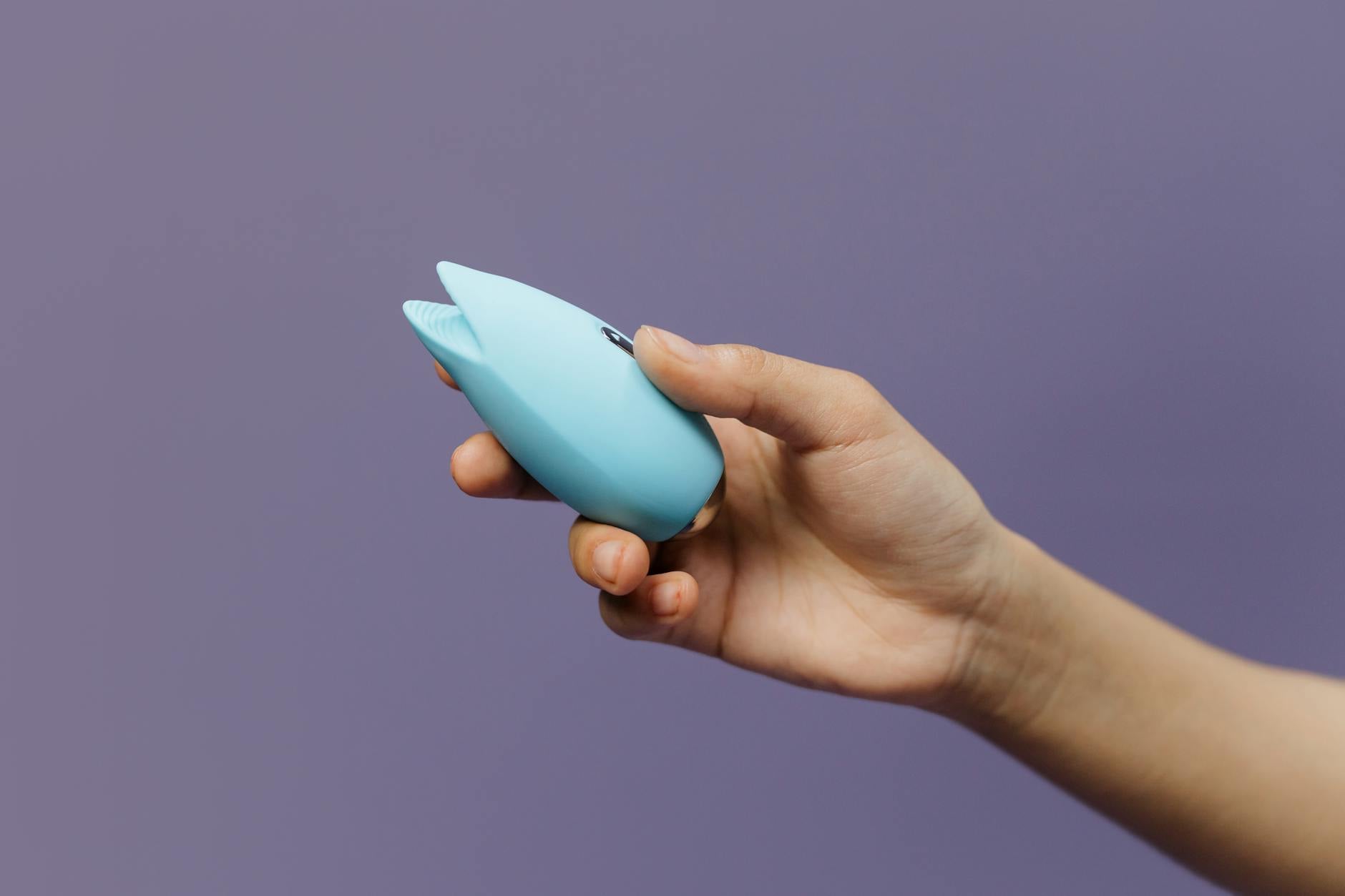
Here's where the suction design of a lemon clitoral vibrator matters more than you'd think. Traditional bullet vibrators rely on friction and direct pressure, which can feel irritating or overstimulating when your nervous system is already in overdrive. A lemon vibrator uses gentle suction and rhythmic pulses that activate a different set of nerve endings. The sensation is less "sharp alert" and more "deep draw." That matters when your nervous system is looking for permission to relax.
The suction pattern also provides consistent, predictable stimulation. When you're anxious, predictability is calming. Your nervous system learns quickly that this sensation is safe, repeated, and requires no performance. Over time, this consistency retrains your threat-detection system.
Second, the intensity range on a lemon vibrator allows you to start impossibly low. Many people rebuilding arousal after stress need settings 1 and 2 exclusively for the first few weeks. You're not chasing orgasm. You're teaching your body that sensation itself is safe.
This isn't about willpower or trying harder. It's about creating the conditions for arousal to return naturally.
Step one: pick a low-stress time. Not when your brain is still solving problems. Not right before sleep when you're exhausted. A weekend morning. A quiet evening. Somewhere your threat-detection system isn't actively scanning.
Step two: start with your body, not your genitals. Spend 10-15 minutes touching other parts of your body first. Neck, shoulders, inner arms, thighs. The goal is to slowly wake up sensory awareness without pressure. This is not foreplay. This is nervous system priming.
Step three: use the lemon vibrator on the lowest setting. The goal is sensation, not orgasm. You're not trying to cum. You're trying to notice that you can feel something. Start with just 3-5 minutes. Let your nervous system get curious about the feeling without demanding anything from it.
Step four: notice without judgment. Maybe you feel something. Maybe you feel nothing. Both are data. Numbness is real. It doesn't mean failure. It means your nervous system is still protective, and that's okay.
Step five: repeat consistently. This isn't a one-time fix. Nervous system retraining takes weeks, sometimes months. Consistency matters more than intensity. Three times a week is better than one intense session. You're building a new neural pathway: stress goes down, arousal capacity comes back online.
Here's the hard part nobody wants to hear: you can use a lemon vibrator perfectly, and if your stress load remains unchanged, arousal won't return sustainably. A vibrator is a tool for retraining what's still capable of working. It's not a workaround for chronic stress.
So this is where I ask: what needs to change in your actual life? Not "manage stress better." What needs to stop happening? What boundary needs setting? What conversation needs to be had? What's the thing you keep avoiding?
Often, the people who see the most dramatic shifts in arousal are the ones who couple the lemon vibrator practice with a real change. They quit the job. They have the hard conversation with their partner. They start therapy. They cut back on social obligations. The vibrator is the practice tool. The real work is the life redesign.
If you're with a partner, their involvement matters too. They don't need to be in the room. But they need to understand that your arousal returning is contingent on them recognizing that you're managing real stress, and that patience and pressure-free touch help far more than performance expectations.
If your stress is tied to trauma, grief, depression, or relationship harm, a lemon vibrator is genuinely not the primary tool. You need clinical support first. Talk to a trauma-informed therapist or somatic specialist. Arousal return is a symptom of overall nervous system healing, not the cause of it.
If you're on medication that affects arousal (SSRIs, beta-blockers, certain antipsychotics), your doctor and therapist should be part of this conversation. A lemon vibrator can help, but it's not a substitute for medication adjustment or clinical oversight.
I know this is not what you want to hear. You want your body back now. You want to feel desire again immediately. But nervous systems don't work on deadlines. They work on consistency, safety, and time.
Three months of regular lemon vibrator practice, combined with actual stress reduction, often brings tangible shifts. Six months, you might feel like yourself again. Some people see changes in weeks. Others need longer. The timeline is yours.
What matters is that you're not broken. Your body is responding exactly as designed. It's protecting you from the stress your brain perceives. And when you change the conditions (lower stress, consistent safe sensation, nervous system retraining), arousal comes back. Not because you tried harder. Because you finally made it safe.
How long does it take for a lemon vibrator to help restore arousal after stress?
Most people notice subtle shifts in sensation and interest within 4-6 weeks of consistent practice. Significant arousal return typically takes 2-4 months when combined with real stress reduction. Nervous system retraining isn't fast, but it's durable. The changes stick.
Can I use my lemon vibrator if I'm currently in a high-stress period?
Yes, but your expectations need to shift. You're not chasing pleasure. You're maintaining the neural pathways so they don't atrophy completely. Even 10 minutes once a week of low-pressure lemon vibrator use prevents the complete shutdown of arousal capacity. Once your stress load decreases, those pathways are still available to reactivate.
Does stress-related numbness mean I've permanently lost arousal capacity?
No. Nervous systems are plastic. They change throughout your life. Arousal capacity can be dormant for years and still return fully once conditions improve. I've worked with clients who felt completely numb for 18 months and then regained full sensation and desire within 6 weeks of a major life change. Your numbness is a state, not a permanent condition.
Should I use my lemon vibrator solo or with my partner if stress is killing my libido?
Start solo. Your nervous system needs to learn that pleasure is safe in a zero-pressure context first. Once you're consistently experiencing sensation and interest on your own, adding a partner back in becomes easier. Solo practice is the foundation. Partnership comes later.
What if I use a lemon vibrator consistently but still feel no arousal?
This usually means your stress level is still too high, or there's an underlying issue (depression, trauma, medication side effects) that needs clinical support. Talk to your therapist or doctor. A vibrator can facilitate nervous system retraining, but it can't override active threat states or untreated mental health conditions. You need both.
Can stress-related numbness happen in relationships where everything else feels fine?
Absolutely. Stress isn't always about your relationship. Work stress, family stress, health anxiety, global anxiety, grief. All of it tanks arousal, regardless of how much you love your partner. This is why it's critical not to interpret numbness as a sign the relationship is broken. Often it's just your nervous system prioritizing survival over pleasure. When the external stress decreases, arousal returns, and the relationship feels fine again.
Your body isn't rejecting you or your partner. It's protecting you from a threat. The lemon vibrator isn't magic. It's a tool for retraining your nervous system to recognize that it's safe to feel sensation again, even when your life is demanding.
The hard work is creating actual safety. Reducing actual stress. Building actual boundaries. Having actual conversations. The vibrator is the practice ground. Your life is the stage. Both matter equally.
If you're ready to start, pick a low-pressure time this week. Grab your lemon vibrator. Start on setting one. Notice what you feel without judgment. Come back next week. And the week after that. Your arousal hasn't gone anywhere. It's just waiting for permission to come back online.