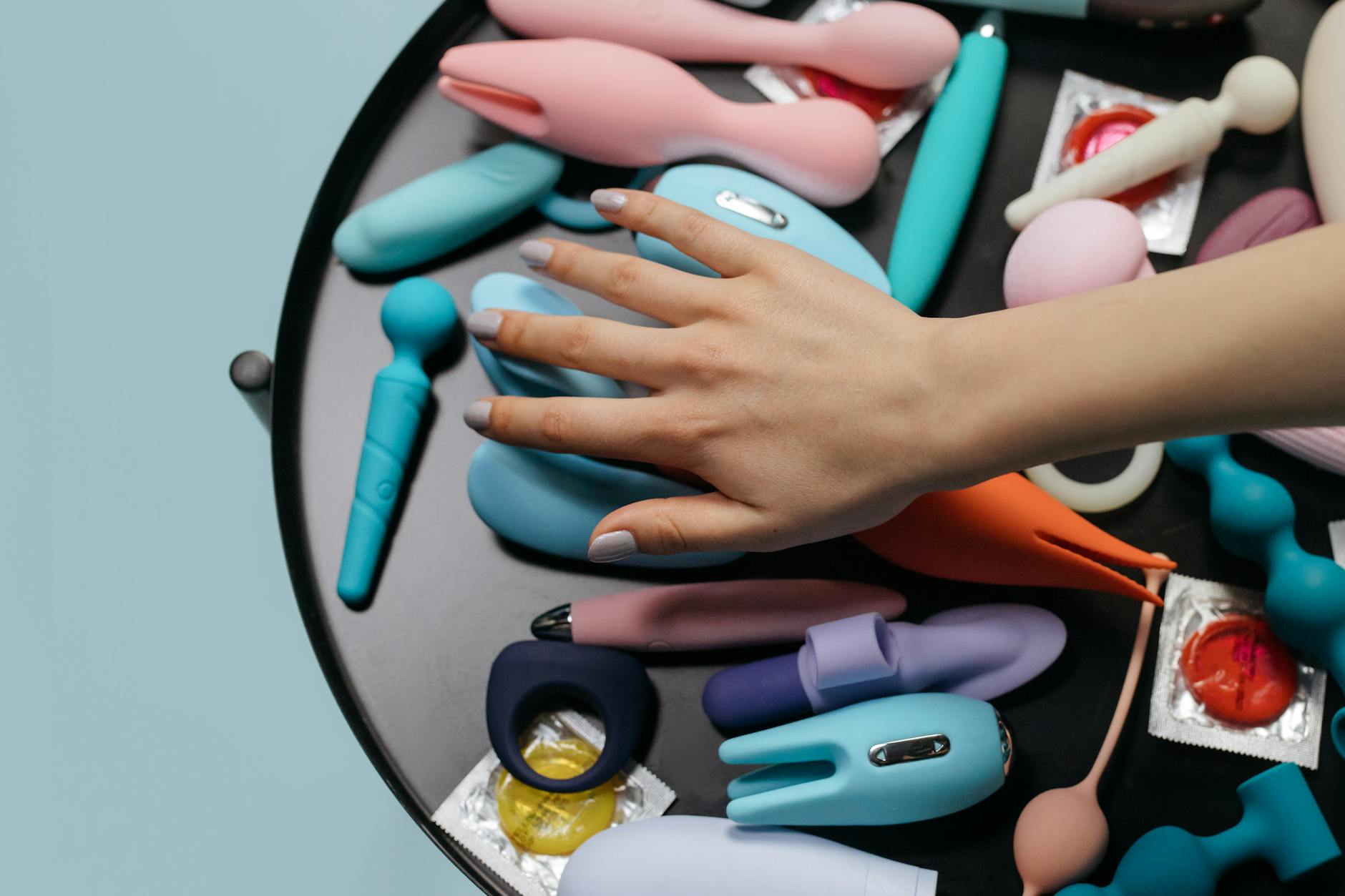
Why Lemon Vibrators Beat Bullet Vibrators for Clitoral Pleasure
Suction-based lemon clitoral vibrators create a fundamentally different sensation than traditional vibration. Here's what research shows and why you might finally get what works.
If you've tried both a bullet vibrator and a lemon vibrator, you already know they feel nothing alike. A bullet does one thing: vibrates at your clitoris with repetitive speed. A lemon vibrator, by contrast, creates suction. That single difference rewires the entire experience.
Traditional bullets are straightforward. They oscillate rapidly (usually between 3000 and 10,000 vibrations per minute) against tissue. This creates intense, narrow stimulation in a tiny zone.
Here's what that means for your body. The clitoris has roughly 8,000 nerve endings, yes. But they're not all equally distributed, and they don't all respond to the same type of touch. High-speed vibration overstimulates fast-twitch nerve fibers. This is why many people find bullets either wildly intense at first, then numb after a few minutes, or weirdly ineffective no matter the speed setting.
Another problem: bullets require direct contact. If your clitoris is sensitive, slightly swollen, or tender (which happens after pregnancy, during hormonal shifts, or just because bodies change), direct vibration can hurt or feel like too much too fast. Many people end up using a bullet through fabric to mute it, which defeats the precision.
A lemon vibrator uses a different mechanism. It creates gentle suction around the clitoral complex, combined with gentle vibration inside the cup. This does four things a bullet can't.
First, it stimulates a wider area. Instead of a pinpoint vibration, suction engages the entire clitoral bulb (yes, the clitoris extends inside your body, and a suction cup reaches parts a bullet misses). Second, the sensation is sustained. Suction builds pressure gradually rather than overwhelming the nerve endings immediately. Third, the stimulation is less likely to cause numbness because you're not fatiguing the same fast-twitch fibers with repetitive micro-movements. Fourth, and this matters more than people realize, suction allows for variety. You can change intensity, pattern, and sensation within the same session without switching toys.
The research backs this up. Studies on air-pulse technology (the category that includes lemon clitoral vibrators) show higher rates of satisfaction compared to traditional vibrators, particularly for people who struggle with sensitivity, numbness, or intense direct stimulation.
Here's where the neuroscience gets interesting. Your clitoris has several types of sensory nerve endings: Meissner's corpuscles (light touch), Pacinian corpuscles (pressure and vibration), and free nerve endings (temperature and general sensation). Bullets primarily activate Pacinian corpuscles through rapid, repetitive stimulation. This is why bullets feel like a buzz.
Lemon vibrators engage all three. The suction creates sustained pressure (Pacinian), the gentle pulsing within the cup provides rhythmic stimulation, and the broader contact activates Meissner's corpuscles across the whole external clitoral area. Your brain gets a fuller, more complex signal. That complexity is what separates "I'm being buzzed" from "Oh wow, I feel everything."
One more piece: suction technology doesn't habituate as quickly as vibration. Habituation is when your nervous system gets used to a stimulus and starts filtering it out. It's why a vibrating phone in your pocket stops feeling like it's buzzing after two minutes. Suction creates a dynamic pressure change rather than a static vibration, which means your nerves stay engaged longer. Your body doesn't tune it out.
If you've ever felt like vibrators don't work for you, a lemon vibrator might change that conversation. People with lower clitoral sensitivity often think they need more intensity. What they actually need is a different type of stimulation.
A 2018 review in the Journal of Sex and Marital Therapy found that air-pulse technology showed significantly higher effectiveness for people with difficulty reaching orgasm compared to traditional vibrators. The reason wasn't intensity. It was the quality of sensation.
This is particularly important if you've had periods of numbness or low sensation. Whether that's from antidepressants, hormonal changes, or just your baseline sensitivity, suction-based stimulation can work better because it's not trying to drill through numbness with speed. It's creating a different sensation entirely.
Most bullet vibrators have speed settings. A few have patterns. Lemon vibrators typically offer both speed and a range of pulsing patterns that mimic different rhythms: steady pulse, wave, escalating intensity.
This matters because your pleasure rarely follows one straight line. You might need gentle suction to start, then a quick pulsing pattern to build, then steady pressure to finish. With a bullet, you're limited to "faster" or "slower." With a lemon vibrator like the Lem, you can shift the entire sensation type mid-session. That's not a small thing. It's the difference between one tool and a toolkit.
I've worked with plenty of people in my practice who thought they had low desire or low responsiveness, and what they actually had was tools that didn't match their nervous system. When they switched to suction-based stimulation, everything changed. Not because they were suddenly more sexual. But because the sensation finally aligned with how their body actually responds.
Bullets can slip around if you're moving or if there's any moisture variation. Lemon vibrators create a seal. That seal is stable whether you're stationary or moving, solo or partnered. You're not constantly readjusting.
Bullets heat up quickly and can become uncomfortable. Lemon vibrators maintain a steady temperature because the material is designed for external use and the suction cup disperses heat better across a wider surface.
Bullets die faster because all that vibration burns battery. Lemon vibrators use less energy per sensation unit (suction is mechanically simpler than high-speed oscillation), so battery lasts longer.
And honestly, bullets are loud. Lemon vibrators are quieter. If that matters to you for privacy or just peace of mind, that's valid.
I want to be fair here. Bullets aren't wrong. They're just different. If you've always loved a bullet and orgasm easily with one, there's zero reason to switch. Your nervous system is working exactly as it should.
Bullets can be useful if you prefer deep penetrative play combined with external vibration. Many people use a small bullet inside during partnered sex for added sensation. You can't really do that with a suction cup.
Bullets are also smaller and more discreet, which matters for travel or storage. And they're typically cheaper upfront, though they often need replacing more frequently.
But if you've ever felt frustrated with vibrators, struggled to find intensity that worked, or felt numb after a few minutes of use, the issue might not be you. It might be that your body responds better to a completely different stimulation type.
If you're considering switching, here's what helps. Start with lower suction intensity. Your body's used to buzz, and suction feels wildly different at first. A few sessions at pattern 1 or 2 will let your nervous system adjust.
Water-based lubricant helps the seal and feels amazing with suction play. Use more than you think you need.
Give it at least three sessions before deciding. Your first experience with suction might feel weird just because it's new. By the third time, your body starts to understand what it's receiving.
And if you're partnered, use it solo first. That way you can explore the sensations without performance pressure, and you can figure out what works before involving anyone else.
Your pleasure isn't broken because a bullet didn't work. Your pleasure might just speak a different language than vibration.
Lemon vibrators use suction instead of vibration. Where a bullet creates rapid back-and-forth movement, a lemon vibrator creates sustained pressure and gentle pulsing inside a cup. This engages different nerve endings and prevents the quick habituation (numbness) that high-speed vibration can cause. The sensation is broader, more complex, and less likely to overwhelm sensitive tissue.
Yes. Many people who felt nothing with bullets find lemon vibrators transformative. That's not because you're broken or unresponsive. It's because suction-based stimulation activates your nervous system in a completely different way. The broad, sustained pressure of a lemon clitoral vibrator works better for some bodies than high-speed vibrational buzz. Start with lower settings and give yourself a few sessions to adjust.
For most people, better. Research on air-pulse technology shows higher satisfaction rates, faster time to orgasm, and more intense orgasms compared to traditional vibrators. That said, every body is different. Some people prefer bullets. If you're considering making the switch, try a lemon vibrator and notice what happens. You might find your baseline pleasure shifts entirely.
You can't put a lemon vibrator inside, but you can absolutely use one externally during partnered penetration. Many couples find that lemon suction on the clitoris during internal penetration creates a powerful combined sensation. Start with lower intensities so both types of stimulation don't feel overwhelming together.
Not really. Lemon vibrators are typically silicone or glass and rinse easily with water and mild soap. The suction cup design means no hidden crevices or battery doors. Bullets, despite being smaller, often have seams and connection points that trap moisture. Overall, suction-based toys are easier to maintain.
Start at the lowest intensity and lowest suction pattern. Most lemon vibrators have multiple settings specifically so you can dial in what feels right. Some people find pattern 1 at setting 2 is their sweet spot and never turn it up. That's perfect. There's no "right" intensity. There's only what works for your body.
Your pleasure matters, and it deserves the right tool. If bullets haven't clicked for you, don't assume you're the problem. Your nervous system might simply respond better to suction-based stimulation. Lemon vibrators, as a category of clitoral vibrators, engage your entire clitoral anatomy and your broader sensory system in ways that traditional vibrators can't.
That shift changes everything. Not because you've suddenly become more sexual, but because the sensation finally matches how your body is wired to feel.
If you're ready to explore, we're here. If you have questions about which lemon vibrator might work for you, reach out at /contact. Your pleasure is worth the conversation.